
Leather Shoes and Craftsmanship
The Timeless Art of Leather Crafting: Why It Matters
Jun
The Timeless Art of Leather Crafting: Why It Matters
In an age of mass production and disposable fashion, the timeless art of leather crafting stands as a defiant testament to human skill, patience, and respect for materials. From ancient saddlemakers to contemporary artisans shaping handmade leather shoes and accessories, this craft has never been more relevant. But why does it matter today? Beyond nostalgia, traditional leather crafting offers superior durability, environmental responsibility, emotional connection, and cultural preservation. This guide explores the depth of this heritage and why choosing crafted leather over factory-made goods transforms not just your wardrobe—but your entire relationship with what you wear.
Table of Contents
- What Is the Timeless Art of Leather Crafting?
- A Brief History: From Ancient Civilizations to Modern Ateliers
- Hand-Cut vs. Machine-Cut: The Visible Difference in Quality
- Saddle Stitching: Why Two Needles Are Better Than One Machine
- How Traditional Leather Crafting Supports Sustainability
- The Emotional Value: Patina, Repair, and Heirloom Goods
- Why Nelibar Preserves Traditional Craftsmanship in Every Product
- How to Identify Authentic Handcrafted Leather Goods
- Frequently Asked Questions
- Conclusion: Investing in Craft That Lasts Generations
What Is the Timeless Art of Leather Crafting?
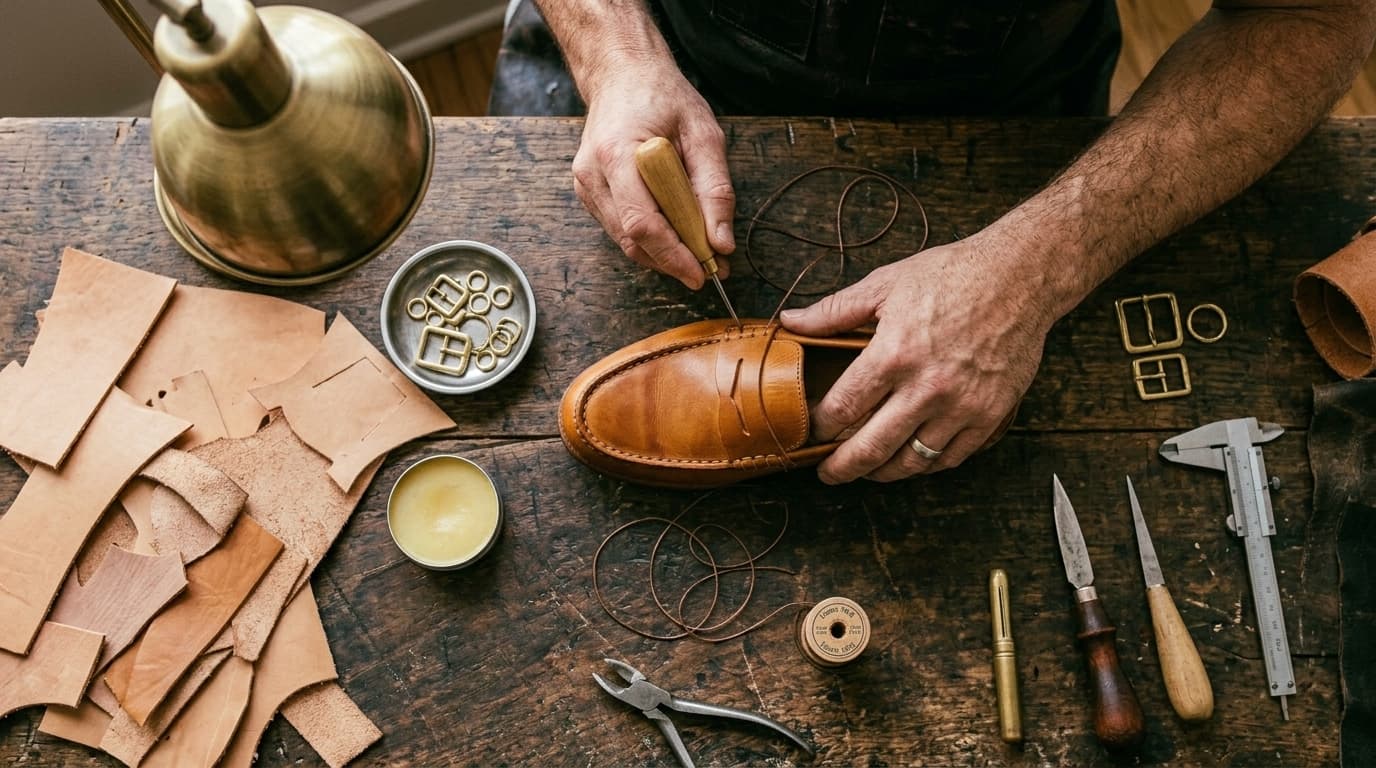
The timeless art of leather crafting refers to the manual techniques used to transform raw animal hides into durable, functional, and beautiful goods—without relying on automated machinery. This includes hand-cutting hides to maximize natural grain, saddle-stitching with waxed thread, edge burnishing with natural gums, and vegetable tanning that can take months. Unlike fast-fashion leather goods that prioritize speed and uniformity, handcrafted pieces celebrate individuality, strength, and the maker’s signature.
For brands like Nelibar, this art is not a marketing gimmick. It is the foundation of every leather slipper, leather khussa, and leather belt that leaves the workshop. Each piece carries the fingerprints of artisans who have spent decades perfecting their trade.
Master Artisan Insight: “A machine can stitch faster than any human. But a machine cannot feel when the leather needs a looser stitch near a curve. It cannot see a hidden flaw in the grain. That intuition—that respect for material—is what separates craft from industry.” — Nelibar Head Craftsman, Lahore
A Brief History: From Ancient Civilizations to Modern Ateliers
Leather crafting is one of humanity’s oldest professions. Archaeological evidence dates leatherwork to 400,000 BCE, with early humans using hides for protection against cold and injury. The ancient Egyptians tanned leather with plant extracts and crafted sandals, shields, and burial goods. Roman legions marched in leather caligae sandals, stitched by skilled artisans who traveled with the army.
During the Middle Ages, guilds formalized leather crafting into distinct trades: tanners, curriers, saddlers, and cordwainers (shoemakers). The Industrial Revolution nearly erased these distinctions, replacing hands with stamping presses and assembly lines. Yet the craft never died. It retreated into ateliers, family workshops, and cultural pockets—like the artisans who still make leather khussa in Pakistan using methods passed down for generations.
Today, a renaissance is underway. Consumers tired of shoes that fall apart after one season are seeking out the timeless art of leather crafting as an antidote to planned obsolescence. Nelibar stands at this intersection, preserving heritage while meeting modern expectations for transparency and sustainability.
Hand-Cut vs. Machine-Cut: The Visible Difference in Quality
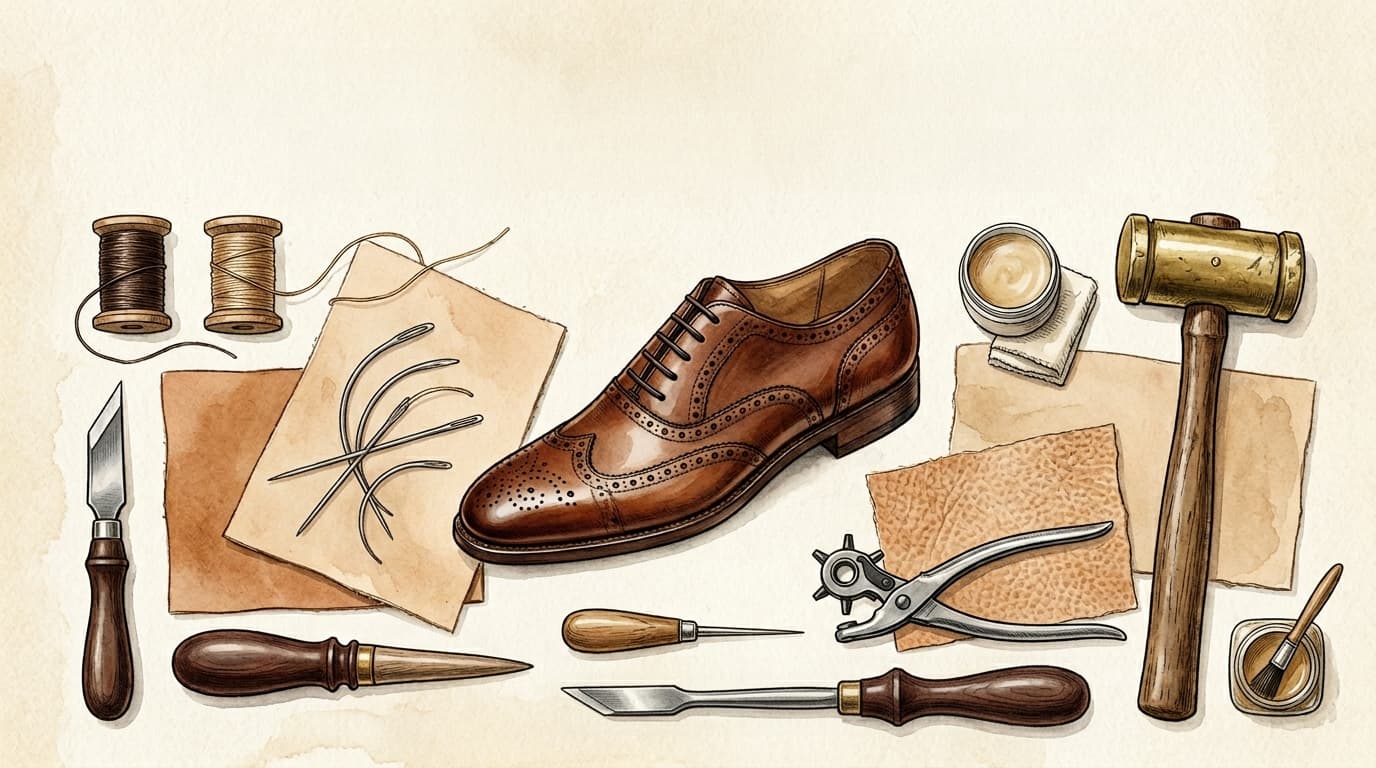
One of the first places mass production cuts corners is hide cutting. A die-clicker press stamps out dozens of identical pieces per minute, regardless of hide quality. This ignores natural variations—scars, stretch marks, vein patterns—that affect durability. Hand-cutting, by contrast, allows the artisan to examine each hide and position pattern pieces for maximum strength and aesthetics.
Why Hand-Cutting Produces Stronger Goods
When you hand-cut a leather wallet or shoe upper, the craftsman can:
- Avoid weak belly leather (reserved for linings or small accessories)
- Align the backbone (tightest grain) for high-wear areas like soles and heel counters
- Match left and right shoe pieces from the same anatomical region for consistent aging
- Minimize waste by cutting irregular shapes that fit around imperfections
Result? A handmade leather shoe that molds to your foot without premature stretching or cracking. A belt that doesn’t sag after six months. This is the hidden value of craft—invisible until you have experienced the alternative.
Saddle Stitching: Why Two Needles Are Better Than One Machine
Look at the stitching on any mass-produced leather bag or shoe. If one stitch breaks, the entire seam unravels like a zipper. That is machine lockstitch—fast, but fragile. Traditional saddle stitching (used by Nelibar artisans) is fundamentally different.
In saddle stitching, the artisan uses two needles on a single thread, passing each needle through the same hole from opposite sides. Each stitch is locked independently. If a stitch breaks, surrounding stitches remain secure. Furthermore, the slight zigzag created by two needles allows the thread to stretch with the leather rather than snap under tension.
Practical benefit: Your leather slippers and leather belts will outlive factory-made equivalents by years, even decades. Repairs become simple—a broken stitch can be re-sewn without dismantling the entire seam.
Expert Tips Box: How to Spot Genuine Hand-Stitching
- Look at the stitch angle: Hand-stitching sits at a slight diagonal (2-3 degrees). Machine stitches are perfectly straight.
- Check the back side: Machine stitching looks identical front and back. Hand-stitching shows subtle variation.
- Feel along the seam: Hand-stitching feels slightly raised and textured. Machine stitching feels flat and tight.
- Count stitches per inch (SPI): 6-8 SPI indicates hand work. 10+ SPI is almost always machine.
How Traditional Leather Crafting Supports Sustainability
The timeless art of leather crafting is inherently sustainable—not because of marketing campaigns, but because of material efficiency and longevity. Mass production encourages overconsumption: cheap goods fall apart, are discarded, and replaced. Craft production flips this model.
Waste Reduction Through Skill
Industrial cutting wastes 20-30% of each hide. Nelibar’s artisans achieve over 85% hide utilization by hand-cutting and using offcuts for smaller items like keychains, leather patches, and leather wallets. Scraps too small for goods are composted or sold for leather board production.
Repairability by Design
Handcrafted leather goods are designed to be repaired. Soles can be replaced. Stitches can be re-sewn. Hardware (buckles, rivets) can be swapped. Nelibar offers a lifetime repair service—keeping handmade leather shoes and accessories in use rather than landfills.
Natural Materials, No Hidden Plastic
Many “leather” goods from fast-fashion brands use bonded leather (shredded scraps mixed with polyurethane) or have plastic coatings that peel and flake microplastics. Traditional crafting uses full-grain or top-grain leather finished with natural waxes and plant-based dyes. Biodegradable at end of life.
The Emotional Value: Patina, Repair, and Heirloom Goods
Why do people treasure a grandfather’s leather belt or a pair of worn-in leather khussa? Because leather ages unlike any other material. It darkens. It softens. It develops a patina—a unique map of scratches, oils, and memories. No two handcrafted pieces age identically. This personalization is impossible with plastic or bonded leather.
Owning a handcrafted leather good creates a relationship. You condition it. You notice how the leather responds to sun and rain. You bring it to a cobbler for resoling. Over time, the object becomes a companion. In a world of disposable products, this emotional durability is radical. It teaches us to value fewer things, more deeply.
Why Nelibar Preserves Traditional Craftsmanship in Every Product
Nelifar was founded on a simple belief: the timeless art of leather crafting should not become a lost art. While other brands chase automation, Nelibar invests in master artisans—many from families that have worked leather for five generations. Every product, from leather slippers to professional handmade leather shoes, undergoes rigorous hand-finishing.
The Nelibar Difference
- Vegetable-tanned leather only: We never use chrome or toxic alternatives.
- Hand-burnished edges: Each edge is sanded, waxed, and rubbed with a wooden slicker for a glass-smooth finish that resists fraying.
- Solid brass hardware: Unlike zinc alloy or plastic-coated metals, brass can be polished and lasts indefinitely.
- Made in small batches: No overproduction. Each piece is made for an individual customer or small wholesale order.
You can explore our full collection of handcrafted leather goods here or book a virtual consultation to see the workshop live.
How to Identify Authentic Handcrafted Leather Goods
Not everything labeled “handmade” deserves the title. Use this checklist when shopping for leather wallets, belts, shoes, or khussa.
- Examine the edges: Are they painted or burnished? Burnished (waxed and polished) edges are a hallmark of hand-finishing. Painted edges often hide rough cuts.
- Smell the leather: Natural vegetable-tanned leather smells woody and earthy. Chrome-tanned leather has a chemical odor. Plastic “vegan leather” smells like a new shower curtain.
- Ask for a workshop video: Authentic craftspeople are proud to show their process. Generic stock photos of hands holding tools are a red flag.
- Check return address: Does the brand list a physical workshop or atelier? Nelibar invites customers to visit our locations in Pakistan.
- Price as a signal: Genuine handcrafting takes hours. A $50 “handmade” leather jacket is mathematically impossible. Fair pricing for a pair of handmade leather shoes starts around $200–$400.
Frequently Asked Questions
Is handcrafted leather always better than machine-made?
Not always—but for longevity, repairability, and material quality, yes. Machine-made can be adequate for low-use items. However, for everyday wear items like leather slippers, belts, and shoes, handcrafting produces demonstrably stronger goods.
How long does it take to handcraft a pair of leather shoes?
A single pair of handmade leather shoes requires 20–40 hours of skilled labor, spread across 2–4 weeks (including drying and curing times). Nelibar’s artisans produce approximately 3–5 pairs per week each.
Can handcrafted leather goods be vegan?
No. “Handcrafted” refers to technique, not material. If you avoid animal products, look for handcrafted goods made from plant-based alternatives like cork, piñatex (pineapple leaf), or mirum—but note these are not leather and age differently.
Does Nelibar offer customization?
Yes. We offer custom sizing for leather khussa, monogramming for leather wallets, and bespoke leather belt lengths. Contact our custom orders team for details.
How do I care for handcrafted leather?
Use a natural leather conditioner (beeswax and jojoba oil) every 4–6 months. Avoid direct heat and prolonged sunlight. Store in cotton dust bags. For deep cleaning, consult a professional cobbler.
Conclusion: Investing in Craft That Lasts Generations
The timeless art of leather crafting matters because it represents everything modern consumerism has forgotten: patience, skill, respect for materials, and the understanding that true value takes time. When you choose a handcrafted leather belt, a pair of leather khussa, or handmade leather shoes from Nelibar, you are not buying a product. You are becoming part of a lineage—one that honors the artisan’s hands, the animal’s life, and the earth’s resources.
In a world drowning in cheap goods, the most radical act is to buy less, but better. To repair instead of replace. To choose craft over convenience. That is why the timeless art of leather crafting matters. And it is why Nelibar will never abandon it.
Own a Piece of Living Heritage Today
Browse our collection of vegetable-tanned, saddle-stitched, hand-finished leather goods. Each piece arrives with a care guide and a direct line to our repair workshop. Experience the difference that true craftsmanship makes.
Shop Men’s Handmade Leather Shoes Shop Women’s Leather Khussa Explore Leather Wallets & Belts
Questions about our process? Schedule a workshop tour or chat with an artisan. Follow the daily craft on Instagram and YouTube.
